Last updated 2026-08-18
TL;DR
Plan on $1,500 to $3,000 to go from no license to a legal first intake in California. The CDFW permit is the cheap part, usually $100 to $200 in state fees, plus $100 for a federal Migratory Bird Rehabilitation Permit if you take birds. Cages, veterinary support, feed, and supplies eat the rest. No approval timing is guaranteed.
Do you need a license for wildlife rehabilitator in California?
Yes. You need a state Wildlife Rehabilitation Permit from the California Department of Fish and Wildlife before you take in any native wild animal for care. CDFW's wildlife rehabilitation page says the permit is required for the possession and care of injured, orphaned, or sick native wildlife [1].
California Fish and Game Code section 1002 states, "The commission may adopt regulations for the taking, possession, and disposition of wildlife for scientific, propagation, educational, exhibition, or rehabilitation purposes" [3]. A federal bird permit is a second requirement if your species list includes birds. No animal is legal in your hands until the state permit exists.
The application is a paper review, not an automatic grant. California wants to see training, a facility plan, and a veterinarian arrangement before a first-year rehabber gets a permit.
Asking this question because you already have an animal in a box? Call CDFW today and stop accepting wildlife.
How much does wildlife rehabilitator cost in California?
Most first-year California wildlife rehabilitators should budget $1,500 to $3,000 before the first animal arrives. The permit fees are the small line. CDFW's fee schedule has shown a $100 initial wildlife rehabilitation application and a $50 renewal in recent cycles [2]. If you plan to take migratory birds, add a $100 federal Migratory Bird Rehabilitation Permit from the U.S. Fish and Wildlife Service, valid for up to three years [4][5].
The rest is caging, veterinary support, supplies, and feed. This is not school tuition. You are paying for a legal site to isolate, house, and release wild animals. Some people get through the first year under $1,200. Others spend $5,000 because they build for fawns and raptors before they have a permit in hand.
| Cost line | Typical first-year range | What it actually is |
|---|---|---|
| CDFW permit application | $100 | Nonrefundable state review fee [2] |
| CDFW renewal | $50 | Annual license line [2] |
| USFWS bird permit | $100 | Three-year federal permit if you take birds [4][5] |
| Caging and enclosures | $300 to $2,500 | Per species minimum standards, not a state fee |
| Veterinary agreement | $0 to $800 | Donated time or exam costs |
| Feed and supplies | $200 to $800 | Formula, syringes, heat, cleaning |
| Insurance or entity | $300 to $1,000 | Optional but real if volunteers are involved |
How long does wildlife rehabilitator take in California?
CDFW does not publish a guaranteed processing window. From a complete packet to a permit, most applicants should expect 8 to 16 weeks, and a packet with missing facility drawings can stretch to 4 to 6 months. USFWS bird permit review is a separate federal queue and can add weeks or months on top of the state application [5].
The fastest path is a clean packet: fee line paid, a species list that matches your caging, and the veterinarian agreement signed. Build this delay into your budget before you sign a lease on a flight cage. Time is a real cost.
You are not legal to hold animals until the permit is in your hand, even if the department says your file looks complete.
What does the California state permit fee cost, line by line?
CDFW sets license fees through the License and Revenue Branch fee schedule, not through this article [2]. The wildlife rehabilitation line has been $100 for the initial application and $50 for annual renewal in recent schedules, but those figures are not permanent. CDFW updates fee lines periodically.
Check the current schedule before you send money, because an old form or a copied checklist can carry an outdated amount. The application fee is nonrefundable whether you are approved or denied. That fee pays for the department to review your packet, not for the paper certificate. Send the wrong amount and the packet can be returned, which adds weeks. The fish and game code gives the commission authority to adopt those permit and fee regulations [3].
What is the federal permit cost when you take birds?
If your species list includes native birds, you need a federal migratory bird rehabilitation permit under the Migratory Bird Treaty Act. The U.S. Fish and Wildlife Service charges a $100 application fee for a Migratory Bird Rehabilitation Permit, and the fee schedule states the permit is valid for up to three years from the date of issuance [4][5].
The federal form asks for your state permit number or proof of state application, your facility details, and the bird species you expect. You do not need this fee for squirrels, raccoons, opossums, or deer. Many first-year rehabbers skip birds for a year exactly because the federal packet doubles the paper load. If you want to cut cost, cut birds first, not state compliance.
How much do facility and enclosure costs run in California?
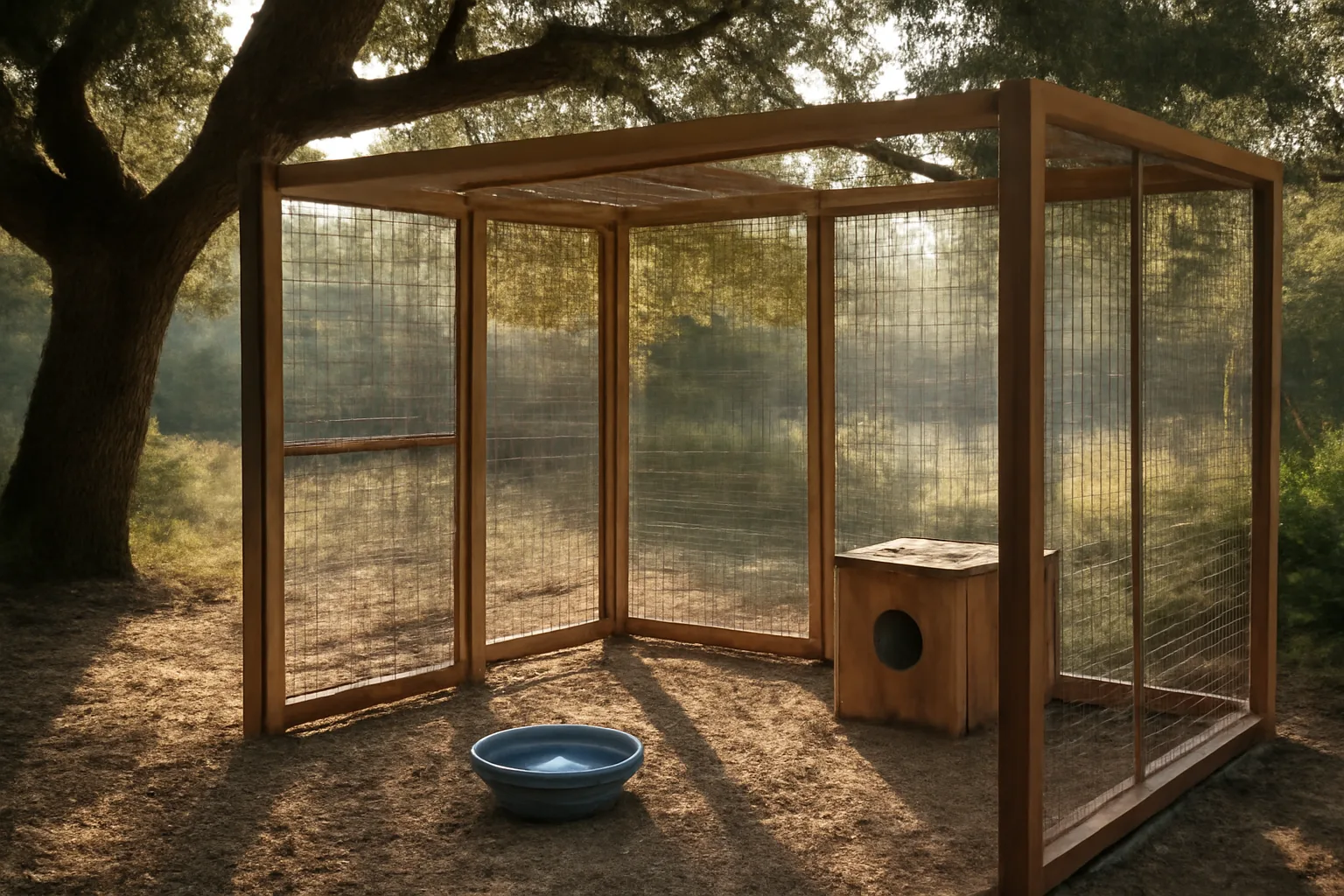
Cages cost more than the license. A first-year California rehab room can start around $300 if you only take songbirds and small mammals in prebuilt enclosures. The number climbs with fawns, raccoons, or raptors. An outdoor flight cage or secure run can run $1,000 to $3,000 in materials even when you build it yourself, because you need a double-door entry, disinfectable surfaces, and predator-proof hardware.
CDFW expects your facility to meet minimum size, sanitation, and security standards for the species you list. The National Wildlife Rehabilitators Association minimum standards are the common reference [1][8].
Here is what I would actually do. Build one clean, easy-to-disinfect isolation cage before you buy incubators and enrichment gear. The reviewer wants a workable site sketch, not a luxury animal hospital.
How much do veterinary, mentor, and training costs run in California?
California expects you to have a relationship with a licensed veterinarian who can see your wildlife patients. Some vets charge a monthly retainer or a per-visit fee. Others donate time because they already do wildlife work. That difference is a $0 to $800 first-year swing, and it changes your budget more than any supply list.
Mentors usually do not charge, but you may need to volunteer at a licensed rehabilitation center for 6 to 12 months before your application is strong. That unpaid time is still a cost in hours. Budget $50 to $150 for state and national memberships plus one basics book. Do not confuse a paid membership with the actual permit. Training certificates help, but they do not replace the signed veterinarian agreement in the CDFW packet [1].
What insurance, entity, and liability costs are worth paying?
California does not require a business license for a home wildlife rehabilitator, but a personal umbrella or nonprofit liability policy helps if a volunteer gets bitten or an escaped animal causes damage. Small wildlife rehabilitation liability policies can start around $300 to $500 a year, depending on species and on whether the public visits your site.
Form a nonprofit and you add California incorporation and IRS 501(c)(3) fees. Forming a nonprofit to save money is backwards. Some people spend $400 on nonprofit formation before they know whether CDFW will approve the permit.
The smarter order is simple. Volunteer, get the permit, then decide about entity paperwork and insurance. Do not hand a landlord or county your state permit news before you know the local rules.
What are ongoing feed, medical, and release costs?
After permit approval, the meter runs. A litter of raccoons can eat through $100 to $200 in formula, produce, and protein in a few weeks. A single wildlife emergency surgery or a course of antibiotics can cost $150 to $600 without donated veterinary care. You also pay for syringes, heating pads, scales, cleaners, and transport containers, roughly $30 to $100 a month.
Keep $500 in reserve before accepting animals. Donations and release sponsors usually arrive only after the public sees you working. That is the wrong year to start with no buffer.
If you cannot cover a surprise $300 veterinary bill inside your first five animals, start with a species list that does not include raccoons.
Where do people waste money on a California rehab license?
Three traps. First, buying a huge property outfit before the permit. Second, paying a consultant to do the CDFW packet when the fee is low and the paper is doable yourself. Third, filing a 501(c)(3) before you have handled one animal.
The $149 WildlifeRehabPath State + USFWS Enclosure Kit exists for the middle trap. It gives you both application packets and enclosure checklists for a one-time price without filing for you. You still do the work.
Most of your budget should go to caging and medical readiness, not to licensing ceremony. The state does not ask for a logo, a website, or a donation box. It asks whether the animals will be safe, quarantined, and released.
How do you keep first-year costs under $2,000?
Start with songbirds and squirrels. Skip birds for year one to avoid the federal permit. Build four walls, a double door, and a disinfectable floor before you accept anything. Find a volunteer mentor at a licensed center. Ask local veterinarians now, not after an intake. Buy used stainless steel sinks and cages from restaurant supply closures.
The state application fee is the cheapest line in the budget. The real cost control is saying no to species whose caging you cannot meet next week.
Want a cost comparison? The same two-permit path plays out in wildlife rehabilitator cost in Alabama, Colorado, Florida, Georgia, Hawaii, and Illinois.
What are the steps to confirm fees and start your packet?
Open CDFW's Wildlife Rehabilitation page [1]. Print the current fee schedule line [2]. Check the USFWS fee schedule only if birds are on your species list [4]. Fill in your caging plan before you write the check. Build the written veterinarian agreement.
At the end, go to /start for the WildlifeRehabPath kit only if you want a single checklist for both applications. Otherwise, use the agency checklists. No third party can guarantee approval or a processing date. The agency schedule is the only real timekeeper.
If the fee page and the PDF packet disagree, trust the fee page and call CDFW for the current amount.
Frequently asked questions
Do you need a license for wildlife rehabilitator in california?
Yes. CDFW requires a Wildlife Rehabilitation Permit before you possess or care for injured, orphaned, or sick native wildlife. The permit is not a license to keep wildlife as pets. A federal Migratory Bird Rehabilitation Permit is also required if you take native birds. Start with CDFW's current application packet and fee schedule.
How much does wildlife rehabilitator cost in california?
Most first-year totals land at $1,500 to $3,000. State application has been about $100 and renewal $50, plus a $100 USFWS bird permit if you take birds. Caging, veterinary time, feed, and supplies make up the rest. Confirm live fee schedules through CDFW and USFWS before you send money.
How long does wildlife rehabilitator take in california?
CDFW has no guaranteed processing time. Expect 8 to 16 weeks from a complete packet, longer with missing paperwork or facility changes. USFWS bird permit processing may add weeks or months. Send the correct fee and complete forms to avoid return cycles that reset the clock.
Can you rehabilitate wildlife at home in California?
Yes, if your home facility meets CDFW minimum standards for isolation, sanitation, and security for the species listed. Some counties and landlords restrict wildlife rehabilitation activity. Check local zoning before applying. A separate outdoor enclosure may be needed for some species.
Does California require a veterinarian sponsor for wildlife rehabilitation?
CDFW generally expects a licensed veterinarian to agree to provide or coordinate medical care for your wildlife patients. The exact requirement depends on species and permit class. Establish the relationship before submitting, because the packet can be returned without it.
Do you need a federal permit to rehabilitate birds in California?
Yes for native migratory birds. A federal Migratory Bird Rehabilitation Permit from USFWS is required in addition to the state permit. The fee is $100 and the permit lasts up to three years. It covers birds under the Migratory Bird Treaty Act, not squirrels or raccoons.
How much do wildlife rehabilitation enclosures cost in California?
Small songbird and squirrel caging can start around $300, while outdoor raptor, fawn, or raccoon enclosures often run $1,000 to $3,000 in materials. Build for the species you actually list, not all possible species. Your state site sketch must match the caging.
How often does a California wildlife rehab permit renew?
California wildlife rehabilitation permits are annual for most holders. CDFW's fee schedule has shown a $50 renewal line, but check the current fee page. Renewal may require updated facility information or a veterinarian confirmation.
Is there a fee waiver for nonprofit wildlife rehabilitators in California?
CDFW does not advertise a broad wildlife rehabilitation fee waiver, but fee lines and nonprofit exemptions can change. Check the current fee schedule and ask the License and Revenue Branch if your entity qualifies. Do not assume nonprofit status removes the permit application fee.
Can a nonresident get a California wildlife rehabilitation permit?
Nonresidents generally cannot hold California wildlife rehabilitation permits unless they meet CDFW's own rules. The permit is tied to a facility in California. Some nonresidents may volunteer or co-permit with a California center. Check CDFW before filing.
What species are prohibited from rehabilitation in California?
Certain large carnivores and nonnative species, including bears and mountain lions, require additional authorization or are not open to standard rehab permits. Nuisance and invasive species may have different rules. CDFW's wildlife rehabilitation page lists permit species and restrictions.
What is the cheapest way to start wildlife rehabilitation in California?
Volunteer with a licensed center first. Start with small mammals or songbirds. Avoid bird permits the first year. Build one disinfectable isolation cage and secure a donated veterinary relationship. Keep your budget under $2,000 and save the nonprofit filing for later.
Sources
- California Department of Fish and Wildlife, Wildlife Rehabilitation Program: A CDFW Wildlife Rehabilitation Permit is required to possess and care for injured, orphaned, or sick native wildlife.
- CDFW License and Revenue Branch Fee Schedule: CDFW lists the current wildlife rehabilitation permit application and renewal fee lines; recent schedules show $100 initial and $50 renewal.
- California Fish and Game Code Section 1002: State law authorizes regulations for wildlife rehabilitation permit issuance, possession, and disposition.
- Code of Federal Regulations, 50 CFR 21.76: Federal regulations establish rehabilitation permit conditions and authorized purposes for migratory birds.
- Legal Information Institute, 50 CFR 21.76: Cornell's mirror of 50 CFR 21.76 provides the same federal rehabilitation permit text.
- National Wildlife Rehabilitators Association, Minimum Standards for Wildlife Rehabilitation: Industry minimum standards guide caging size, sanitation, and safety expectations for rehabilitators.
- California Code of Regulations, Title 14, Section 679: State regulation addresses wildlife rehabilitation permit requirements.
- CDFW Wildlife Rehabilitation Program Application Process: The CDFW wildlife rehabilitation program page references application packet requirements.