Last updated 2026-08-18
TL;DR
Alaska’s Wildlife Rehabilitation Permit costs nothing. The U.S. Fish and Wildlife Service waives the $100 application fee for migratory bird rehabilitation if you hold that state permit. The real money goes into enclosures, medical supplies, and food. Plan on $5,000 to $10,000 in first-year setup costs, and expect at least 60 to 90 days for permit approval before you can accept animals.
Do you need a license for wildlife rehabilitator in Alaska?
Yes.
The Alaska Department of Fish and Game (ADF&G) requires a Wildlife Rehabilitation Permit before you can possess live native wildlife for care. [1] Without it, helping an injured animal beyond immediate transport to a permitted rehabilitator is illegal.
The permit covers all native species: mammals, birds, reptiles, and amphibians. It does not give you authority to keep animals permanently or turn rehabilitation into a petting zoo. For most birds, you will also need a federal Migratory Bird Rehabilitation Permit from the U.S. Fish and Wildlife Service. This is required for any bird listed under the Migratory Bird Treaty Act, which includes almost all native songbirds, raptors, and waterfowl. [6] The good news: if your state permit is valid, the federal $100 application fee is waived. [2]
How much does wildlife rehabilitator cost in Alaska?
The state permit fee is zero.
ADF&G’s official website states: “There is no fee for this permit.” [1] The federal migratory bird permit also costs nothing out of pocket when you hold an Alaska state permit. [2] That makes Alaska one of the cheapest states to get legally approved. Compare that with a state like Alabama where the wildlife rehabilitation permit costs $10 [3], and the difference is clear.
Your real costs start with enclosures and equipment.
A small mammal rehabilitation setup with indoor cages, an outdoor pre-release pen, and basic medical supplies typically costs between $5,000 and $10,000, according to the National Wildlife Rehabilitators Association. [4] In Alaska, building materials, shipping, and weather-resistant designs can push that number higher, especially in remote areas.
Ongoing expenses include species-appropriate food, medicine, heating, and veterinary consultations. Many Alaskan rehabilitators also spend heavily on transport because release sites can be hours away.
What about insurance? It is not mandated by the state, but a liability policy is cheap peace of mind. A few hundred dollars a year can protect you if an animal injury occurs on your property.
Here’s a rough breakdown of predictable first-year expenses:
Chart: Alaska wildlife rehabilitation permit fees
While the state and federal migratory bird permits cost nothing for Alaska residents with a valid state authorization, someone starting from scratch without a state permit would face the $100 federal application fee.
The chart below puts that contrast in numbers.
How long does wildlife rehabilitator take in Alaska?
ADF&G warns that application processing can take up to 90 days. [1]
The timeline starts when you submit a complete application, facility diagram, and any required letters of reference. An on-site inspection is part of the process, and scheduling in remote communities can add weeks.
From the day you mail the paperwork to the day you can legally receive your first patient, plan on at least two to three months. Then tack on however long it takes to finish building your enclosures. Many new applicants run those two efforts in parallel to save time.
If you include the federal migratory bird permit, the U.S. Fish and Wildlife Service typically processes that within 30 days of receiving a valid state permit. [2] Starting both applications as early as possible flattens the waiting period.
What wildlife can you rehabilitate under an Alaska permit?
The permit covers native Alaskan species only.
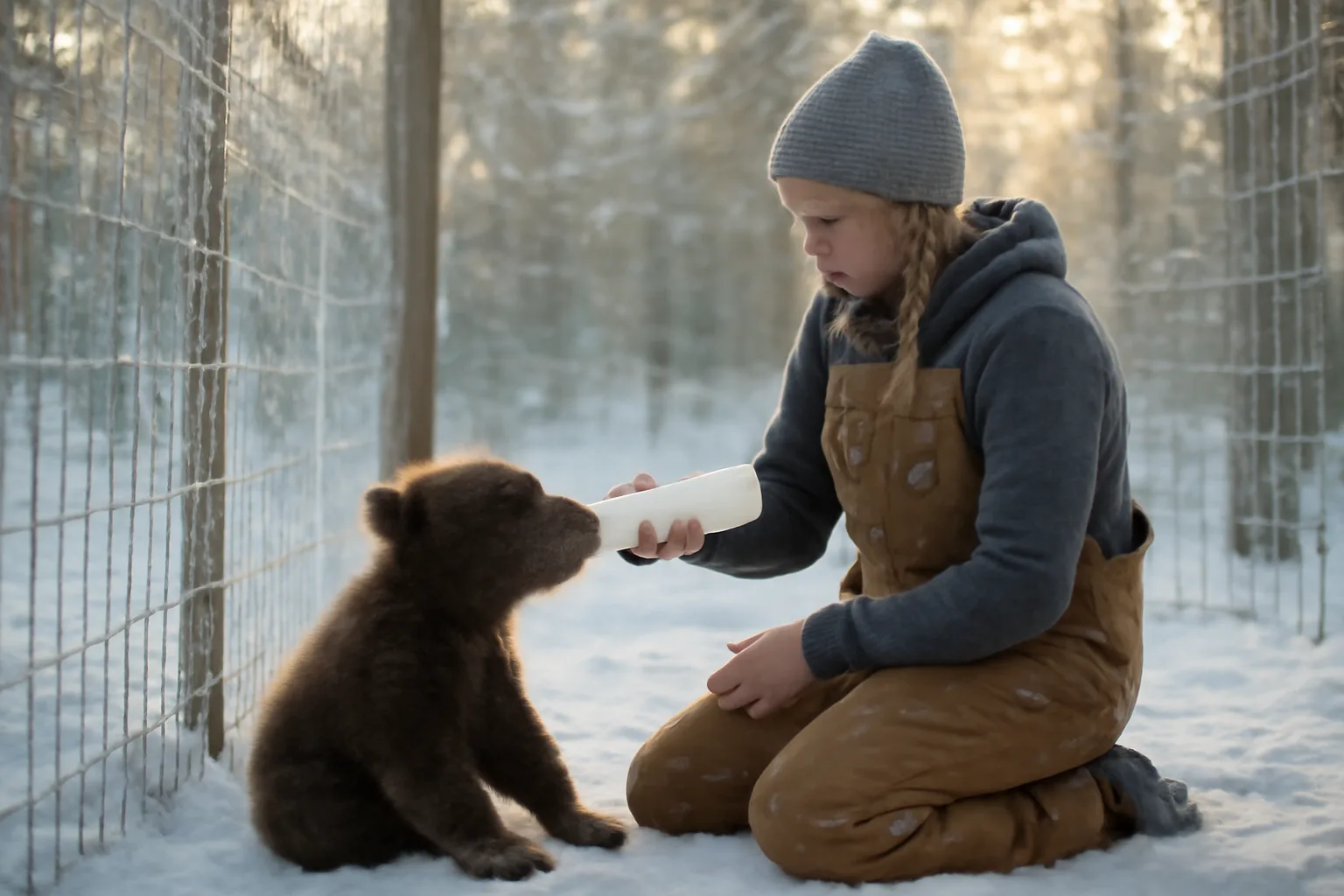
That includes black and brown bear cubs, moose calves, bald eagles, ravens, porcupines, and snowshoe hares. It does not extend to exotic pets, escaped domestic animals, or non-native invasive wildlife.
Rehabilitating large carnivores like bears comes with additional facility and safety requirements that add to your construction budget. A bear enclosure must be extremely sturdy, with double-door entry systems and electric fencing in many cases. The species you choose to specialize in directly shapes your startup costs.
What are the facility requirements for Alaska wildlife rehabilitation?
ADF&G inspects every applicant’s facility before issuing a permit. [1]
Requirements vary by species, but generally you need secure enclosure that prevents escape, protects animals from extreme weather, and allows for safe cleaning and observation. Raptor enclosures need perches and enough room for wing stretching; mammal pens need digging barriers for animals like fox and ground squirrel. Cold-weather design matters a lot: insulation, draft-proofing, and reliable water sources are non-negotiable in an Alaska winter. If you’re staring at a blank patch of land, a step-by-step plan helps.
There are enclosure kits available that map out dimensions, materials lists, and construction sequences. For instance, WildlifeRehabPath.com offers a $149 one-time State & USFWS Enclosure Kit designed to walk you through building species-appropriate housing before the inspector arrives.
How do federal migratory bird permits work with Alaska's state permit?
The U.S. Fish and Wildlife Service issues a Migratory Bird Rehabilitation Permit that is free for anyone who already holds a valid state wildlife rehabilitation permit. [2]
Without that state permit, the fee is $100.
The bird permit lets you possess and treat any migratory bird species except bald and golden eagles, which require an additional federal eagle exhibition or rehabilitation permit. Application is straightforward: you fill out federal Form 3-200-10b and attach a copy of your Alaska permit. [5] There’s no separate facility inspection if your state permit is current.
Cost-saving tips for new wildlife rehabilitators in Alaska
Start small.
Pick one or two common species, build enclosures for those, and learn their dietary needs before expanding. Every new species adds gear and complexity.
Buy medical supplies in bulk through veterinary co-ops, and connect with local hunters or processors who may donate game meat or fish scraps. Some Alaskan towns have wildlife response networks that share transport duties and cut fuel costs.
Do not overlook free training. ADF&G sometimes runs workshops on wildlife handling, and online resources from the National Wildlife Rehabilitators Association can fill the gaps. The more you learn before you build, the less you rebuild later.
When you are laying out your first enclosures, a clear design guide saves money on mistakes. WildlifeRehabPath’s $149 Enclosure Kit comes with material checklists and state-specific dimensions, so you do not waste lumber on something the inspector will reject.
How to apply for a wildlife rehabilitation permit in Alaska
Download the application packet from the ADF&G website or request one by mail.
You will need a drawn scale diagram of your facility, two letters of recommendation, and a description of your experience with the species you intend to care for. [1] Mail the completed packet to the regional ADF&G office that covers your location.
After the paperwork is accepted, an area biologist contacts you to schedule the facility inspection. If the inspection passes, the permit is issued, good for three years. There is no renewal fee currently assessed by the state.
Continuing education and renewal requirements
Alaska’s wildlife rehabilitation permit must be renewed every three years. [1]
You must submit a renewal application, an updated facility diagram if changes have been made, and a log of animals treated. Continuing education is not a formal requirement at the state level, but the department strongly recommends it. Staying current on disease protocols and species handling protects both you and your patients. Federal permits typically renew on the same cycle, also without a fee for state-permitted rehabilitators.
Frequently asked questions
Do I need separate permits for mammals and birds in Alaska?
No single ADF&G permit covers all native wildlife species, mammals and birds alike. You do not need a separate mammal permit. However, for most birds, you must also hold the federal Migratory Bird Rehabilitation Permit, which is free if you have the state permit in hand.
Can I rehabilitate bald eagles?
Bald eagles are covered by the Migratory Bird Treaty Act and the Bald and Golden Eagle Protection Act. In addition to the basic federal bird rehab permit, you need an eagle-specific permit from the U.S. Fish and Wildlife Service. That requires separate experience documentation and likely a larger enclosure.
Is there a limit on how many animals I can rehabilitate?
There is no statewide hard cap on patient numbers, but your permit is tied to your approved facility capacity. ADF&G expects you to maintain housing that meets standards for the species and number of animals you intend to care for. Overcrowding can trigger a permit violation.
How much does it cost to build a basic raptor flight cage in Alaska?
A small 8-foot by 8-foot by 8-foot outdoor flight cage for one red-tailed hawk or raven can cost $1,200 to $2,500 in materials if you build it yourself. Cold-weather adaptations like insulated roofing and double-wall mesh add several hundred more. Larger cages for multiple birds scale up quickly.
Do I need a veterinarian to sponsor my permit?
Alaska does not require a formal sponsorship by a veterinarian, but the application asks about your access to veterinary care. A letter from a local vet willing to consult on wildlife cases strengthens your application. You will need that relationship in practice.
What happens if I move to a new location?
A change of address requires an amendment to your permit and a new facility inspection. You cannot simply resume operations at a different property without notifying ADF&G. The process is similar to the initial application, minus new recommendation letters in most cases.
Can I charge a fee for public education programs?
No. A wildlife rehabilitation permit is not a commercial use permit. You cannot charge admission or use rehabilitated animals in paid educational displays unless you also hold a separate exhibition permit from the state and possibly the federal government.
How do I get started if I have zero experience?
Volunteer with an existing permitted rehabilitator for at least a year. ADF&G values hands-on mentorship more than classroom hours. Many successful applicants begin as seasonal volunteers at a raptor center or mammal nursery. Document your hours and tasks for the application.
What are the penalties for rehabilitating wildlife without a permit in Alaska?
Possessing native wildlife without a permit can result in fines up to $10,000 and up to one year in jail under state law. Federal violations for unauthorized possession of migratory birds carry steeper penalties. Even well-intention rescuers need legal protection.
Does Alaska offer any grants or funding for wildlife rehabilitators?
No state-funded grant program exists for individual wildlife rehabilitators. Most rely on personal funds, donations, and occasional small grants from wildlife conservation nonprofits. Some veterinary supply companies offer rehabilitator discounts that can trim ongoing costs.
Sources
- Alaska Department of Fish and Game, Wildlife Rehabilitation: State permit required; no fee; processing up to 90 days.
- U.S. Fish and Wildlife Service, Migratory Bird Rehabilitation Permit: $100 fee is waived for holders of a valid state rehabilitation permit.
- Alabama Department of Conservation and Natural Resources, Wildlife Rehabilitation Permit: Alabama state wildlife rehabilitation permit costs $10.
- National Wildlife Rehabilitators Association, Getting Started in Wildlife Rehabilitation: Initial setup costs range from $5,000 to $10,000.
- Electronic Code of Federal Regulations: Federal migratory bird rehabilitation permits are issued under 50 CFR Part 21.
- Legal Information Institute, Cornell Law School: The Migratory Bird Treaty Act covers almost all native songbirds, raptors, and waterfowl.