Last updated 2026-08-18
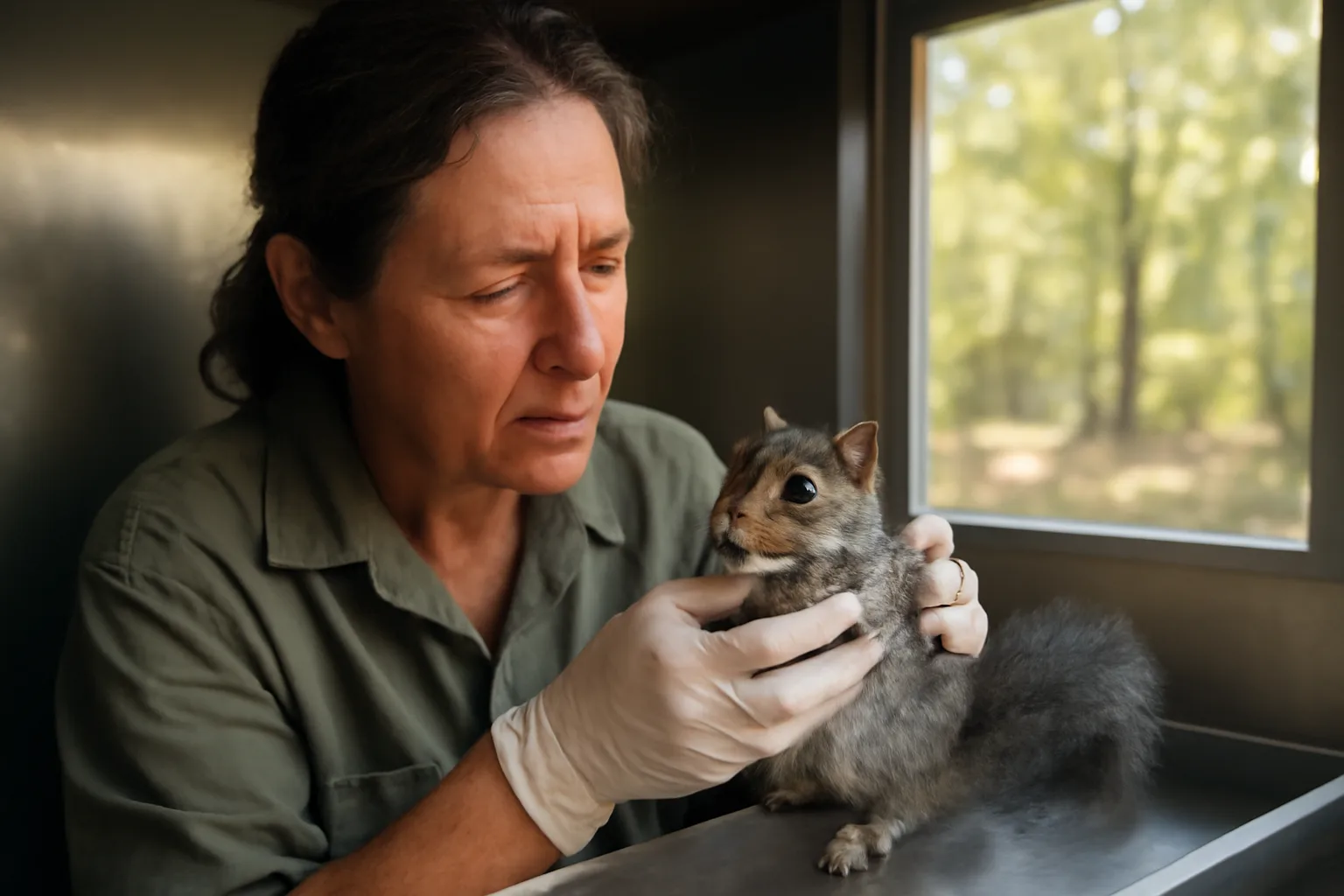
TL;DR
Connecticut requires a wildlife rehabilitation permit from the DEEP Wildlife Division. You need a $50 fee, 100 hours of supervised experience with a licensed rehabilitator, a signed sponsor letter, a facility inspection, and a written exam scored 80% or higher. Plan on 6 to 9 months start to finish. Birds also need a separate federal permit from the U.S. Fish and Wildlife Service.
Do you need a license to rehabilitate wildlife in Connecticut?
Yes, and the law leaves no wiggle room. Connecticut General Statutes § 26-55 bars possessing any wild bird or mammal for rehabilitation without a permit from the commissioner [1]. The permit comes from the Wildlife Division of the Department of Energy and Environmental Protection (DEEP).
There is no carve-out for veterinarians, volunteers, or nonprofit groups. If you help a licensed rehabilitator, you have to be listed as a subpermittee on their permit. Rehabbing without the right paper can bring fines and confiscation of the animals in your care.
The short version: a good heart is not a license. The state wants training and a facility before you touch a wild animal.
Who governs wildlife rehabilitation in Connecticut?
The DEEP Wildlife Division runs the whole program. There is no separate board. Staff biologists review applications, inspect facilities, give the exam, and enforce the rules in the Connecticut General Statutes and the Regulations of Connecticut State Agencies [3].
You deal with the Wildlife Division directly, from your first email to your annual report. Their fact sheet and application form are the official starting point, and the fact sheet is the one page you should read twice before doing anything else [2].
What are the basic requirements for a Connecticut wildlife rehabilitation permit?
The DEEP wants several things in place before it will issue anything. According to the application packet, you must [4]:
- Be at least 18 years old
- Complete a minimum of 100 hours of hands-on experience under the direct supervision of a currently permitted wildlife rehabilitator
- Submit a letter of sponsorship from that supervising rehabilitator
- Pass a written examination with a score of 80% or higher
- Provide a detailed facility plan showing enclosures, caging, and isolation areas
- Pass a facility inspection by a DEEP Wildlife Division biologist
- Pay the $50 application fee
Every piece has to be done before approval. The experience requirement eats the most calendar. Online courses and watching from the sidelines do not count. The 100 hours mean hands on animals: feeding, cleaning, medicating, prepping for release.
How do you find a sponsor and complete the 100 hours of experience?
The DEEP does not assign sponsors. You find one. That is the hardest part of the whole process for most people, and it stops more applicants than the exam ever does.
Start with the nearest wildlife rehabilitation center or permitted individual. The DEEP keeps a list of permitted rehabilitators, but it is not posted publicly. Email the Wildlife Division and ask for a copy. Then expect to call and email a handful before someone says yes. Many rehabbers are stretched thin, and not all take apprentices.
The 100 hours have to be documented. Your sponsor signs a log sheet and writes a letter of recommendation. The work usually covers feeding, cleaning, medication, and release prep. At one or two days a week, 100 hours takes 2 to 6 months.
Can't find a sponsor in state? You can sometimes log hours with a rehabilitator elsewhere, but get prior approval from the DEEP first. The sponsor's letter still has to show the experience matches Connecticut's standard.
What are the facility and enclosure requirements?
Your facility has to meet the standards in the Regulations of Connecticut State Agencies, § 26-55-1 [3]. A DEEP biologist inspects before your permit issues. The inspection covers:
- Housing appropriate for the species you intend to rehabilitate
- Separate quarantine areas for new intakes
- Proper sanitation, drainage, and ventilation
- Secure enclosures that prevent escape and protect animals from predators
- Storage for food, medical supplies, and cleaning equipment
There is no single national cage standard. The DEEP expects enclosures that follow the principles in the National Wildlife Rehabilitators Association (NWRA) and International Wildlife Rehabilitation Council (IWRC) guidelines. Most first-timers build their own caging. If you are unsure what the inspector wants, look at the enclosure plans from WildlifeRehabPath. The $149 State and USFWS Enclosure Kit includes dimensioned plans that hit the common inspection points for Connecticut and the federal migratory bird permit.
You do not need a commercial building. A dedicated room or a standalone shed works, as long as it has the required separation and sanitation. Outdoor enclosures are fine, but they have to be escape-proof and shaded.
How much does it cost to start as a wildlife rehabilitator in Connecticut?
The government fees are small. The application fee is $50, and the annual renewal is also $50 [2]. Add birds and you owe a $100 federal application fee, which buys a 3-year migratory bird permit [5].
Those are the only required fees to the government. The money goes into your facility, your supplies, and your training. A basic setup runs $500 to $2,000 for caging, incubators, medical supplies, and food storage. Plenty of new rehabbers spend more.
Costs swing by species. A squirrel enclosure is cheap. A raptor flight cage is not. The DEEP sets no dollar target for your facility; it cares that the facility is adequate. The chart below shows only the government fees, not the build.
How long does the whole process take?
It depends on how fast you finish the 100 hours and pass the exam. The DEEP asks applicants to "allow at least 60 days for processing of a complete application" [2]. That clock only starts once everything else is done.
A realistic timeline:
- Finding a sponsor: 1 to 3 months
- Completing 100 hours: 2 to 6 months (volunteering part-time)
- Studying for and passing the exam: 1 to 2 months
- Building or preparing your facility: 1 to 3 months
- Application processing and inspection: 2 to 4 months
Start to finish, plan on 5 to 14 months. Most people land at 6 to 9. The DEEP cannot shorten the experience requirement, but you can shorten the review by mailing a complete packet with every signature and document in place.
The written exam: what you need to know
The DEEP gives the exam, and you need an 80% to pass. The fact sheet says, "Applicants must pass a written examination with a score of 80% or higher" [2]. It covers wildlife identification, natural history, nutrition, disease recognition, handling, and Connecticut regulations.
You schedule it by appointment at the DEEP's Sessions Woods Wildlife Management Area in Burlington, after the division has your application and experience documentation. It is not open book. Study materials come from the DEEP and the IWRC. Most applicants study for several weeks off the reading list that ships with the application packet.
Do you need a federal permit? Migratory birds and the USFWS
If you plan to take in any bird protected under the Migratory Bird Treaty Act, you also need a federal migratory bird rehabilitation permit from the U.S. Fish and Wildlife Service. The application fee is $100 for a 3-year permit [5], and the rule is 50 CFR § 21.31 [6].
This permit is separate from the state one. You need both to legally hold migratory birds. Most songbirds, raptors, and waterfowl are covered. You apply through the USFWS Migratory Bird Permit Office for your region, and the application asks for your state permit number, so the federal permit usually comes after the state permit.
Squirrels, rabbits, raccoons, and deer are mammals. They need no federal permit. Only MBTA birds trigger this extra step.
What can you actually rehabilitate with a Connecticut permit?
The DEEP permit covers most native wildlife, with real limits. You cannot rehabilitate rabies vector species (raccoons, skunks, foxes, bats) without the required rabies vaccinations and specific authorization from the state. The DEEP may require a separate authorization for those animals.
Deer are their own category. You cannot rehab deer without added approval. Chronic wasting disease and specialized housing needs mean the DEEP issues deer permits separately.
Check the current allowed-species list with the DEEP every time. Your permit spells out exactly what you may take in. Want to add a species group later? File an amendment, and expect a possible second inspection.
Maintaining your permit: renewal, recordkeeping, and annual reports
The state permit runs one year and renews annually for $50 [2]. The DEEP mails renewal notices, but the deadline is on you.
Keep detailed records on every animal you admit, treat, and release: species, intake date, where it was found, why it came in, disposition (released, died, euthanized, transferred), and release location. The DEEP requires an annual report by January 31 for the prior year [3], on the form the division provides.
Miss the report and you risk non-renewal. The DEEP can also inspect your facility at any time. Keep your records clean and easy to hand over.
Is it worth it? A no-nonsense take
This is a serious commitment, not a weekend hobby. The permit process exists so that only trained, equipped people handle wild animals. The DEEP is trying to keep well-meaning folks from hurting animals by accident.
If you will find a sponsor, log the hours, build a real facility, and keep clean records, the path is honestly straightforward. The fees are low. The price is your time. People often compare states side by side; Tennessee's process, for one, lines up closely on cost and experience hours see how to start as a wildlife rehabilitator in Tennessee.
Before you commit, call the DEEP Wildlife Division, talk to a working rehabber, and ask to visit a facility. One afternoon on site tells you fast whether this matches what you pictured.
Next steps: the application packet and facility checklist
Download the current Wildlife Rehabilitation Permit Application from the DEEP website [4]. Read the whole packet, instructions and facility checklist included. That checklist tells you exactly what the inspector looks for.
Then start the sponsor search. Ask the DEEP for the current rehabilitator list. Once you have a sponsor, start logging hours. Study for the exam while you gain experience. Design and build your facility along the way. Take photos and keep receipts. Before you submit, have your sponsor review your facility plan and recommendation letter.
When the packet is complete, mail it with the $50 fee to the address on the form. The DEEP will reach out to schedule the exam and inspection. If you want enclosure plans that match the inspection standards, the WildlifeRehabPath enclosure kit is a one-time $149 resource covering state and USFWS requirements. Start early. Be patient. That is the real trick.
Frequently asked questions
Do you need a license for wildlife rehabilitator in Connecticut?
Yes. Connecticut General Statutes § 26-55 prohibits possessing any wild bird or mammal for rehabilitation without a DEEP permit. The permit is required regardless of your background, including veterinarians.
How much does wildlife rehabilitator cost in Connecticut?
The DEEP application fee is $50 and the annual renewal is $50. If you handle migratory birds, the USFWS federal permit costs $100 for 3 years. Facility construction and supplies typically add $500 to $2,000 or more.
How long does wildlife rehabilitator take in Connecticut?
From start to permit, most people take 6 to 9 months. The 100-hour experience requirement alone takes 2 to 6 months. Application processing takes at least 60 days after all materials are submitted.
Can I rehabilitate without a license if I'm a veterinarian?
No. A veterinary license does not exempt you from the DEEP wildlife rehabilitation permit requirement. You must still complete the 100 hours of experience, pass the exam, and have your facility inspected.
How do I get a sponsor for the required 100 hours?
Contact permitted rehabilitators directly. You can request a list from the DEEP Wildlife Division. Be persistent. The sponsor must sign your experience log and provide a letter of recommendation.
What animals can I rehabilitate with a Connecticut permit?
Your permit authorizes specific native species. Rabies vector species (raccoons, skunks, foxes, bats) require additional authorization. Deer rehabilitation requires a separate permit. Check with the DEEP for the current list.
Is there a written exam for the Connecticut wildlife rehabilitation permit?
Yes. The DEEP requires a written exam with a score of 80% or higher. It covers wildlife identification, natural history, nutrition, disease, handling, and state regulations. It is offered by appointment in Burlington.
Do I need a federal permit for squirrels or rabbits?
No. The federal migratory bird permit is only required for birds protected under the Migratory Bird Treaty Act. Mammals do not require a federal permit. You still need the state permit for all wildlife.
Can I start a wildlife rehabilitation center on my residential property?
Yes, if your facility meets the DEEP standards and local zoning allows it. A dedicated room or shed can work. You must have separate quarantine areas, proper sanitation, and escape-proof enclosures.
What happens if I don't have a sponsor? Can I still apply?
No. The DEEP will not accept an application without a signed sponsor letter and documented 100 hours. You cannot substitute online courses or volunteer work without a sponsor. You must find a permitted rehabilitator to supervise you.
How do I renew my Connecticut wildlife rehabilitator permit?
Renew annually by paying the $50 fee and submitting an annual report by January 31. The DEEP sends a renewal notice. Failure to submit the report or pay the fee on time will result in non-renewal.
Does Connecticut require a separate permit for avian botulism or oil spills?
No separate permit is required for routine rehabilitation. If you respond to a major contaminant spill, you would work under the direction of the DEEP and the USFWS, possibly under an existing federal permit. Contact the DEEP for guidance.
Sources
- Connecticut General Statutes § 26-55: No person shall possess any wild bird or mammal, or any part thereof, for the purpose of rehabilitation without first obtaining a permit from the commissioner.
- Connecticut DEEP, Wildlife Rehabilitation Fact Sheet: The initial application fee is $50.00 and the annual renewal fee is $50.00. Allow at least 60 days for processing. Applicants must pass a written examination with a score of 80% or higher.
- Regulations of Connecticut State Agencies, § 26-55-1: Each applicant shall submit a completed application form, a facility plan, and a letter of sponsorship from a permitted rehabilitator. Annual report required by January 31.
- DEEP Wildlife Rehabilitation Permit Application (PDF): Applicants must have at least 100 hours of experience under the supervision of a permitted wildlife rehabilitator.
- U.S. Fish and Wildlife Service, Migratory Bird Rehabilitation Permit: The application fee is $100.
- 50 CFR § 21.31, Rehabilitation permits: A rehabilitation permit is required to possess migratory birds for rehabilitation.